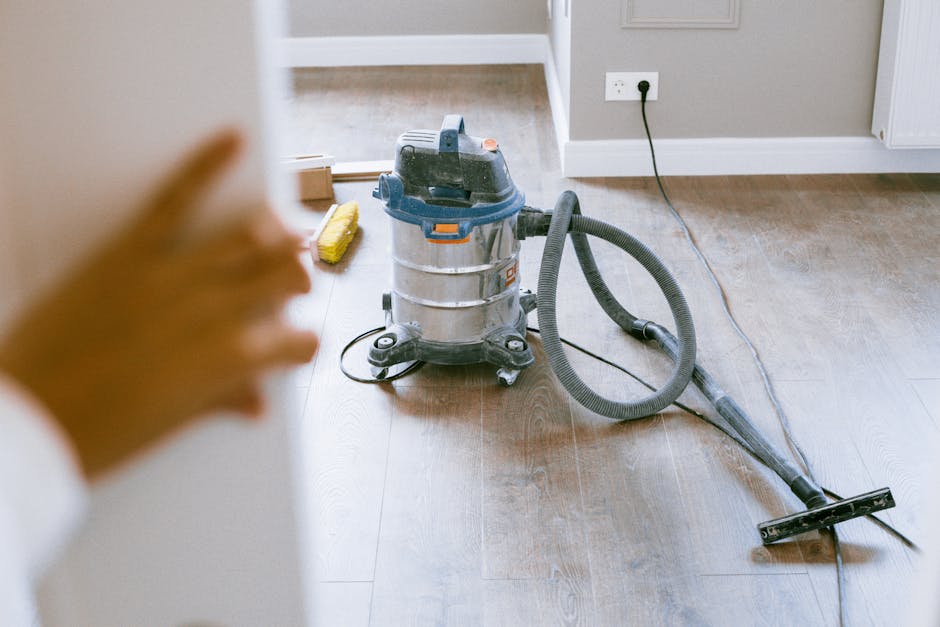
Real cost of deep cleaning what to expect per room
If you have ever stared at a dusty skirting board or a kitchen that just will not come back to life, you already know why people search for the real cost of deep cleaning what to expect per room. The headline price is only part of the story. What matters more is what is actually included, which rooms take the longest, and where the extras tend to creep in.
Deep cleaning is not the same as a standard tidy-up. It is slower, more detailed, and usually tackled when a home needs a proper reset: before moving in, after a busy rental period, after building work, or when everyday cleaning has simply fallen behind. In London homes especially, space, traffic, and older fittings can make the job a bit more involved than you might expect. This guide breaks it down room by room so you can judge value properly, avoid surprises, and decide what makes sense for your place.
Practical summary: a deep clean is priced around labour, condition, access, and room type, not just square footage. Kitchens and bathrooms usually cost more per room because the work is more detailed and time-sensitive.
Table of Contents
- Why the real cost matters
- How deep cleaning works room by room
- Key benefits and practical advantages
- Who this is for and when it makes sense
- Step-by-step guidance
- Expert tips for better results
- Common mistakes to avoid
- Tools, resources and recommendations
- Law, compliance, standards, or best practice
- Options, methods, or comparison table
- Case study or real-world example
- Practical checklist
- Conclusion
- Frequently asked questions
Why Real cost of deep cleaning what to expect per room Matters
Let us face it, most people do not ask about deep cleaning because they love shopping for cleaning services. They ask because they need clarity. Maybe you are moving out and want to avoid deductions. Maybe the oven is embarrassing you. Maybe the bathroom grout has gone from "slightly dull" to "how did this happen?"
The real cost matters because room-by-room deep cleaning is rarely priced as one flat, universal number. A bedroom with basic surfaces and light dusting is very different from a kitchen with baked-on grease, extractor fans, cupboard fronts, and appliance interiors. If a quote seems too cheap, it may exclude the stubborn jobs that take the most time. If it seems high, it may actually be covering a realistic level of detail.
Understanding the price structure helps you compare quotes properly. Not every company defines "deep clean" in the same way, and that is where people get caught out. One cleaner may include inside cupboards and descaling taps; another may treat those as extras. You are not just buying time. You are buying a standard of finish.
There is also a practical side. When you know what each room should roughly take, you can spot under-scoped quotes and budget for the things that really matter. That is useful whether you live in a compact flat in Waterloo or a larger family home in Wimbledon.
How Real cost of deep cleaning what to expect per room Works
Deep cleaning is usually priced using a mix of room count, condition, size, and task list. Some firms use hourly rates. Others prefer fixed quotes after a few questions or photos. Both approaches can be fair, but they work best when the scope is clear.
In practice, a deep clean often includes the visible surfaces and the awkward bits people miss during regular maintenance cleaning. Think behind taps, around plug sockets, inside appliances, on top of cabinets, and along edges where dust gathers quietly over time. The process can also include sanitising high-touch points, removing grime from fittings, and dealing with build-up that needs extra dwell time and elbow grease. Very glamorous, obviously.
Room type changes the workload quite a lot:
- Kitchens take longer because grease, food residue, and appliances need careful attention.
- Bathrooms often need descaling, mould awareness, and detailed fixture cleaning.
- Bedrooms and living rooms are usually quicker unless there is heavy dust, clutter, or upholstery to work around.
- Hallways and corridors can be deceptively time-consuming if walls, doors, and skirting boards need detailed work.
Some companies also adjust pricing for things like ceiling height, pet hair, smoke residue, post-renovation dust, or whether a property has been empty for a while. That is normal. A deep clean is a labour job first and a checklist second.
If you are also dealing with carpets or soft furnishings, it can make sense to look at broader carpet cleaning services alongside the room-by-room work. Sometimes the smartest move is to combine tasks rather than book separate visits. A bit of planning goes a long way.
What usually drives the final quote
- Number of rooms and total size
- Condition of each room
- Level of detail requested
- Whether appliances, fittings, or storage areas are included
- Access, parking, and property layout
- Whether the job is one-off or recurring
- Special requests such as inside ovens, fridges, or cupboards
Key Benefits and Practical Advantages
The obvious benefit is a cleaner home. Fair enough. But the real value of deep cleaning goes further than that. A proper deep clean can reset a space in a way that weekly maintenance rarely does. You notice the difference in the air, the feel underfoot, and even the light in the room when surfaces are properly cleared.
Here are the main advantages people usually appreciate:
- Better hygiene: grime, bacteria-prone residues, and dust build-up are reduced in the places regular cleaning often misses.
- Longer-lasting freshness: a thorough clean can make a property easier to maintain afterwards.
- Improved presentation: useful for landlords, tenants, sellers, and anyone hosting guests.
- Less hidden wear: removing build-up early can help fixtures and finishes look better for longer.
- Peace of mind: there is something genuinely calming about walking into a room that has been properly reset.
There is also a financial angle. In rental situations, a solid deep clean can help protect a deposit. In owner-occupied homes, it can delay bigger remedial jobs by keeping grime from settling in. And for busy households, the convenience alone can justify the spend. On a rainy Tuesday evening, nobody wants to spend an hour scrubbing soap scum from shower screens. Not really.
Another advantage is consistency. If you use the same cleaning company for repeat work, they can often note problem areas and tailor future visits more efficiently. That tends to produce better value over time than one-off guesswork.
Who This Is For and When It Makes Sense
Deep cleaning is not only for people who have let things slide. In fact, some of the best reasons to book it are quite ordinary.
You may need it if you are:
- moving into a new home and want a proper reset before unpacking
- moving out and need to leave the property in strong condition
- preparing for guests, family visits, or a special occasion
- catching up after illness, a busy work period, or a demanding season
- dealing with build-up from pets, children, or heavy foot traffic
- freshening up after redecorating or building work
- wanting a cleaner baseline before starting regular maintenance cleaning
For landlords and letting agents, deep cleaning is often used between tenancies. For homeowners, it is often a seasonal reset. Spring is common, but truth be told, autumn can be just as sensible, especially after windows have been open all summer and dust has had time to settle into every corner.
If your home has a mix of hard floors, carpets, and soft furnishings, you may also want to pair deep cleaning with related services such as hard floor cleaning or upholstery cleaning. That is not always necessary, but it can make a visible difference in lived-in rooms.
Step-by-Step Guidance
If you want to estimate the real cost sensibly, break the job down properly. Here is a practical way to think about it.
- List each room separately. Don't bundle the whole house into one vague request. A kitchen, bathroom, and bedroom each have very different cleaning demands.
- Identify the tasks in each room. For example, a bedroom may need dusting, skirting boards, light switches, and furniture surfaces, while a kitchen may need cupboard fronts, splashbacks, hob, sink, and appliance cleaning.
- Decide what level of detail you actually need. Is this a light deep clean, or do you want inside appliances and storage included? The difference matters.
- Check access and condition. If there is heavy clutter, limited parking, no lift, or very neglected grime, expect more time and effort.
- Ask what is excluded. This is where surprises hide. Some services do not include carpets, internal windows, or high-level spots unless requested.
- Compare like with like. A cheaper quote that excludes the hard parts is not always cheaper in the end.
A useful rule of thumb: compare rooms by complexity rather than just size. A tiny bathroom can be more expensive to clean than a larger bedroom because the fixtures, limescale, and tight spaces slow everything down. That often catches people out.
Typical room-by-room expectations
| Room | What usually takes time | What to clarify in a quote |
|---|---|---|
| Kitchen | Grease, appliances, cupboards, sink, splashbacks | Inside oven, fridge, microwave, cupboard interiors |
| Bathroom | Soap scum, limescale, taps, tiles, shower screens | Descaling, mould-prone areas, grout, extractor fan |
| Bedroom | Dust, furniture surfaces, skirting boards, under-bed areas | Wardrobe interiors, mattress vacuuming, light fittings |
| Living room | Surfaces, corners, wall marks, upholstery, skirtings | Sofa care, ornament dusting, blinds, internal glass |
| Hallway | High traffic dirt, doors, handrails, edges | Stairs, banisters, shoe storage, wall marks |
If you are pricing a home rather than a single room, a service such as deep cleaning or one-off cleaning can be the right starting point, especially when the property needs a proper top-to-bottom reset rather than routine maintenance.
Expert Tips for Better Results
Here is the bit people usually wish they had known before booking. A better clean often comes from better preparation, not just a longer visit.
- Clear clutter first. Cleaners can work faster and more thoroughly when surfaces are accessible.
- Be specific about problem areas. If the bathroom sealant, hob, or oven is the main issue, say so early.
- Photograph the worst spots. It helps with quoting and avoids awkward misunderstandings later.
- Ask about equipment and products. Some tasks need specialised tools, especially for ovens, upholstery, or heavy limescale.
- Book before the job becomes a rescue mission. It is usually cheaper and easier to maintain a property than to restore one.
- Use maintenance cleaning afterwards. A deep clean should not be a one-off miracle. Keep it working for you.
One small thing that makes a surprising difference: check whether the cleaner can focus on high-touch areas like switches, handles, and remote controls. They are easy to miss, and they tend to be the bits everyone touches without thinking. A tiny detail, but it helps the whole place feel properly fresh.
If you want a more complete reset, you can also combine the job with spring cleaning for a seasonal refresh, or add oven cleaning if the kitchen is the real headache. Kitchens especially. They are always the last to forgive us.
Common Mistakes to Avoid
The most expensive deep clean is the one you did not scope properly. That is the honest answer. A lot of frustration comes from simple misunderstandings.
- Assuming every quote includes the same tasks. It rarely does.
- Forgetting to mention the condition of the property. Heavy build-up changes the workload.
- Not asking about add-ons. Inside appliances, upholstery, windows, or hard-floor treatments may be separate.
- Booking too late. If you need a move-out clean at short notice, options can be more limited.
- Ignoring access issues. A building with difficult parking or no lift can affect timing and price.
- Choosing only on price. Cheap can be fine. Cheap and vague is where the trouble starts.
A very common one is underestimating the kitchen. People think the bathroom will be the worst room, then the cleaner spends twice as long on grease behind the cooker hood. Happens all the time. Another one is assuming that "deep clean" includes carpets automatically. It may not. Ask, always ask.
Tools, Resources and Recommendations
You do not need a cupboard full of specialist gear to understand or prepare for deep cleaning, but the right tools make a big difference. Professional cleaners will often use a mix of microfibre cloths, detail brushes, non-abrasive scrub pads, descaling agents, degreasers, vacuum attachments, and steam or extraction equipment depending on the job.
If you are preparing the property yourself before a visit, these basics are useful:
- microfibre cloths for dust and polish
- a good vacuum with attachments for edges and corners
- non-scratch scrub pads for surfaces that mark easily
- glass cleaner for mirrors and internal panes
- a gentle degreaser for kitchen surfaces
- an old toothbrush or detail brush for taps, grout, and awkward fittings
For bigger jobs, it helps to use services that match the materials in your home. For example, carpet cleaning is different from upholstery care, and sofa cleaning is not the same as treating a hard floor. The method matters. A lot, actually.
If you are comparing providers, look beyond the headline price. Ask what their standard deep clean includes, how they handle stubborn grime, and whether they provide a clear written breakdown. A clear scope is worth more than a fancy promise.
Law, Compliance, Standards, or Best Practice
For most household deep cleaning jobs, the legal side is straightforward but still worth taking seriously. Professional cleaners should work safely, use suitable products, and handle waste responsibly. If they are entering occupied homes or dealing with sensitive surfaces, good practice matters just as much as speed.
In the UK, reputable cleaning firms usually have insurance in place and follow basic health and safety processes for equipment, chemicals, and manual handling. That is especially relevant where there are slippery floors, electrical appliances, or awkward lifting involved. You do not need to know every detail, but you should feel comfortable asking whether the company is insured and how it manages risk.
For landlords, letting agents, and tenants, the main concern is usually property condition at the end of a tenancy. A deep clean is not a legal shortcut, and it is not a guarantee against disputes. Still, a well-scoped clean can help demonstrate that the property was left in a reasonable condition. Best practice is to agree on the standard expected before the job begins.
If sustainability matters to you, it is fair to ask how products are chosen and whether waste is handled responsibly. Some homes need stronger chemicals for stubborn deposits; others can be cleaned effectively with milder methods. Good cleaners should be able to explain the trade-off plainly, without pretending every stain is magic.
Options, Methods, or Comparison Table
Not every property needs the same style of clean. Comparing the main options helps you spend wisely.
| Option | Best for | Pros | Limitations |
|---|---|---|---|
| Basic cleaning | Regular upkeep | Lower cost, quick refresh | Does not tackle build-up well |
| Deep cleaning | Detailed reset of the home | Better finish, more thorough | Takes longer, costs more per room |
| One-off cleaning | Occasional catch-up jobs | Flexible, useful for busy households | Scope can vary by provider |
| End of tenancy cleaning | Move-out standards | Good for rental handovers | Often more checklist-driven and strict |
| Specialist add-ons | Ovens, carpets, upholstery, floors | Targets hard-to-clean items | Usually priced separately |
If your home needs more than one service, the combination can be more efficient than booking each task separately. For example, a kitchen deep clean with kitchen cleaning support and bathroom cleaning attention can create a much better overall result than spreading the same budget too thinly across the house.
Case Study or Real-World Example
Here is a realistic example based on the sort of job many London households request.
A two-bedroom flat in south-west London needed a deep clean before new tenants moved in. The main issues were a greasy kitchen, a bathroom with limescale around taps and shower screen edges, dusty bedroom furniture, and marks on skirting boards. The client wanted the property presentable without over-paying for extras they did not need.
The quote changed once the scope was clarified. The kitchen was the most time-consuming room because of cabinet fronts, extractor areas, and appliance detailing. The bathroom came next because of descaling and fitting work. The bedrooms were quicker, but one room had heavy dust under the bed and on top of wardrobes, so it needed more attention than expected. The hallway took less time overall, though the doors and handrails needed detailed wiping.
What made the difference was not a miracle product. It was clarity. Once the company knew what to prioritise, the job was priced and completed more accurately. The client also chose to add end of tenancy cleaning style detail to match move-in expectations, which helped the property show better on handover day.
The lesson is simple: the real cost per room is not just about room count. It is about the condition of the room and the standard you want at the end. That is where people either save money or spend it wisely.
Practical Checklist
Use this before you book. It keeps things tidy, and honestly, it saves a lot of back-and-forth.
- List every room that needs work
- Note the worst problem areas in each room
- Decide whether appliances, cupboards, or storage spaces are included
- Check whether carpets, upholstery, or hard floors need separate attention
- Ask if the quote is fixed or hourly
- Confirm what is excluded
- Share photos if the property is very dirty or has special access issues
- Ask about insurance and safe product use
- Plan for parking, entry, and timing
- Clear clutter before the visit if possible
If you can tick off those points, you will usually get a much more accurate quote and a smoother clean. Simple, but effective.
Conclusion
The real cost of deep cleaning per room depends on more than size alone. Kitchens and bathrooms usually command the highest effort because of grease, limescale, and detail work. Bedrooms and living rooms are often simpler, but they still add up when dust, clutter, or soft furnishings are involved.
The smartest way to approach it is to compare quotes on scope, not just price. Ask what each room includes, what counts as an extra, and how the company handles awkward or heavily soiled areas. That way you can judge value properly and avoid the annoying surprise of a "cheap" quote becoming expensive later.
If you keep the job clear, specific, and realistic, deep cleaning can be one of those rare purchases that genuinely makes life easier. The house feels lighter. The rooms breathe again. And yes, that tiny bit of calm is worth a lot.
Get a free quote today and see how much you can save.
Frequently Asked Questions
What is usually included in a deep clean per room?
A deep clean typically includes detailed dusting, wiping surfaces, skirting boards, fixtures, and hard-to-reach areas. In kitchens and bathrooms, it may also cover grease removal, descaling, and more detailed attention to fittings and appliances, depending on the quote.
Why do kitchens cost more to deep clean than bedrooms?
Kitchens usually take longer because of grease, food residue, cupboard fronts, hobs, sinks, splashbacks, and appliances. Bedrooms tend to be simpler unless they are heavily dusty, cluttered, or need work on storage and soft furnishings.
Is a bathroom deep clean more expensive because of limescale?
Often, yes. Bathrooms usually need extra time for descaling taps, shower screens, tiles, and fittings. Grout lines and soap residue can also add to the workload, especially in older properties or hard-water areas.
How do I know if I am being overcharged for deep cleaning?
Compare the scope, not just the price. If one quote includes appliance interiors, detailed bathroom work, and high-touch points while another does not, the higher price may actually be better value. The key is to ask exactly what is included.
Does deep cleaning include carpets and sofas?
Not always. Many providers treat carpets and upholstery as separate services because they need different tools and methods. Always ask whether carpet cleaning, sofa cleaning, or rug treatment is included or priced separately.
How long should a room deep clean take?
It depends on room size and condition. A lightly used bedroom may be fairly quick, while a kitchen or bathroom can take much longer because of detailed surfaces, build-up, and fixtures. Heavily neglected rooms naturally take more time.
Can I prepare the rooms to reduce the cost?
Yes. Clearing clutter, moving loose items, and giving access to surfaces can reduce cleaning time and make the visit more efficient. It also helps the cleaner focus on the actual deep-cleaning work rather than tidying around objects.
What should I ask before booking a deep clean?
Ask what is included, what is excluded, whether the price is fixed or hourly, whether products are supplied, and whether the company is insured. If you have problem areas like ovens, bathrooms, or pet hair, mention them early.
Is one-off cleaning the same as deep cleaning?
They overlap, but they are not always identical. One-off cleaning is often used for occasional catch-up jobs, while deep cleaning usually suggests a more detailed and thorough reset. Different companies may define them differently, so it is worth checking.
Do I need deep cleaning before moving out?
Often, yes, especially if you want the property to look presentable for handover or to reduce the chance of deductions. End of tenancy expectations can be stricter than everyday standards, so it helps to be specific about the level of finish required.
Are eco-friendly products suitable for deep cleaning?
In many cases, yes. For everyday dirt and light build-up, gentler products can work very well. Some stubborn jobs, though, may need stronger treatment. A good cleaner should be able to explain the balance between effectiveness and product choice.
What is the best way to get an accurate quote?
Send clear photos, list the rooms, explain the condition, and mention any extras like appliances, carpets, or upholstery. The more specific you are, the more realistic the quote will be. It saves time for everyone, honestly.