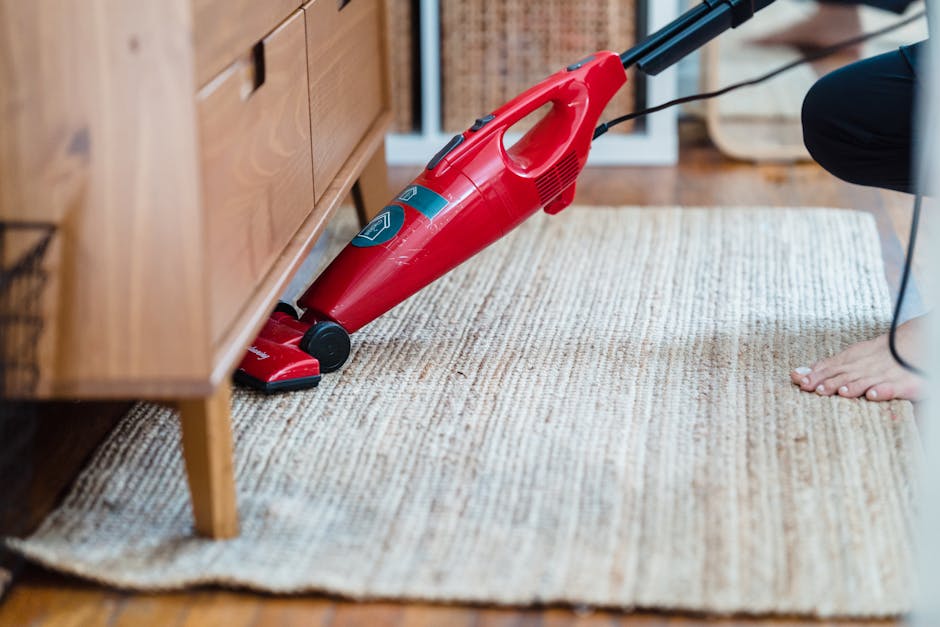
How to remove set in carpet stains without damage
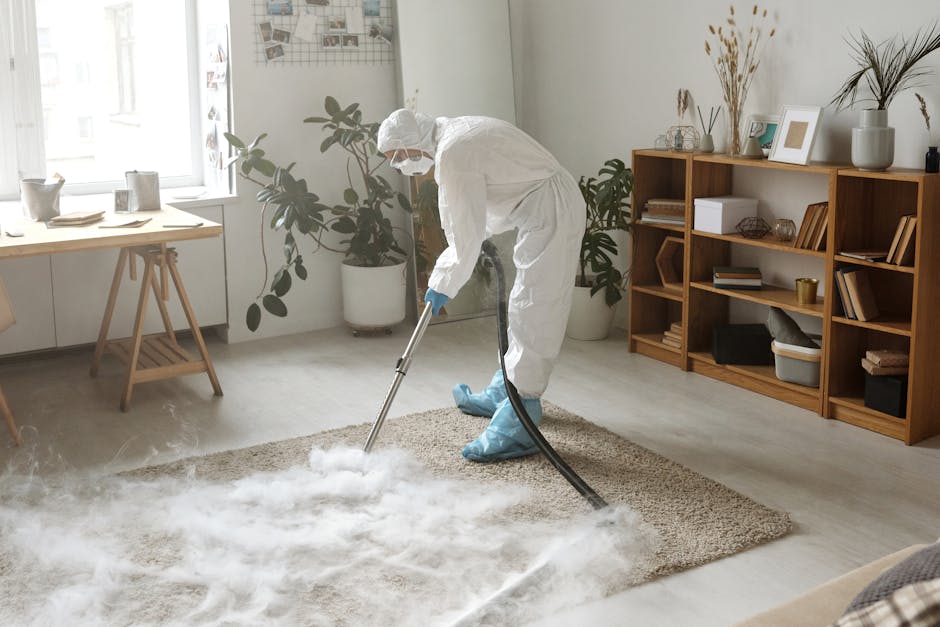
Set-in carpet stains are the ones that make people sigh, stare at the floor, and think, "Well, that's not coming out." Truth be told, they often can come out - but only if you work carefully. The real challenge with How to remove set in carpet stains without damage is not just lifting the mark. It is doing it without fuzzing the fibres, spreading the stain, or leaving a water ring that looks worse than the original problem.
This guide walks you through the safest approach, from identifying the stain to choosing the right cleaning method and knowing when to stop. If you live in a busy London household, rent a property, or just want your carpet to survive one more winter, this is the practical version. No drama. No guesswork. Just the stuff that actually helps.
One quick note before we start: if the stain is old, dark, oily, or you are dealing with wool, silk-blend, or other delicate carpet fibres, go slower than you think you need to. That extra caution can save you a costly mistake.
Why How to remove set in carpet stains without damage Matters
A set-in stain is different from a fresh spill. Fresh spills usually sit on the surface long enough to blot away. Set-in stains have had time to bond with the fibres, sink into the backing, and sometimes react with heat, sunlight, or the wrong cleaner. That is why the same stain can behave completely differently after a day, a week, or a month.
It matters because carpet is not just decoration. It is a floor covering with structure. Rub too hard and you flatten the pile. Use the wrong chemical and you can strip colour or leave a sticky residue that attracts more dirt. Add too much water and you risk wicking, where the stain travels back up as the carpet dries. Annoying, yes. Common, absolutely.
In rented homes, stained carpet can also become a practical issue during check-out cleaning. In owner-occupied homes, it is usually about making the room feel fresh again without replacing the whole carpet. Either way, the goal is the same: clean the stain, preserve the carpet, and avoid turning a small problem into a permanent patch.
Key point: the safest method is usually the least aggressive one that still works. Start gentle, then increase only as needed. That simple rule saves a lot of carpet.
How How to remove set in carpet stains without damage Works
At a basic level, stain removal is a controlled process of loosening what has attached itself to the fibres, then lifting it out without spreading it further. In practice, that means matching the treatment to the stain type and the carpet material. Not all stains behave the same, and not all carpets can handle the same approach.
For example, water-based stains such as tea, coffee, juice, or mud often respond to blotting, mild detergent, and careful rinsing. Greasy stains need a product that can break down oils. Protein stains, like food spills, can react badly to heat. Dyes and coloured drinks may need extra patience, and in some cases repeated light treatments rather than one harsh attempt.
Carpet fibres matter too. Synthetic fibres are often more forgiving. Wool can be resilient, but it also dislikes harsh alkaline products and rough handling. Delicate carpets can felt or distort if you scrub them too hard. That is why many professionals test a small hidden area first. A tiny step, but a very sensible one.
The process also depends on whether the stain is still "active" in the pile or has fully dried and set. A dried stain often needs pre-treatment time. That means applying a safe cleaner, letting it dwell briefly, then blotting. Not long enough to soak the backing. Just enough to loosen the stain. There is a balance there, and yes, it can be a bit fussy.
Key Benefits and Practical Advantages
Getting the stain out safely has obvious benefits, but there are a few that people miss at first.
- Protects the carpet fibres: careful treatment helps preserve texture and appearance.
- Reduces long-term damage: less rubbing and less chemical abuse means fewer bald patches and colour changes.
- Prevents stain spreading: the right blotting and moisture control keeps the mark from becoming larger.
- Improves room hygiene: old spills can hold odours and dirt, especially if they were organic or greasy.
- Saves money: a successful spot treatment can delay or avoid professional restoration or replacement.
- Helps with property handover: useful before inspections, tenants moving out, or after a busy family event where the carpet has taken a beating.
There is also a more subtle benefit: peace of mind. A stained carpet can make an entire room feel untidy, even if the rest of the space is spotless. Once the stain is dealt with properly, the whole room feels lighter. You notice it as soon as you walk in.
Who This Is For and When It Makes Sense
This guide is for anyone facing a stubborn mark and trying not to make it worse. That includes tenants, homeowners, landlords, letting agents, and cleaners dealing with routine spot correction between deeper cleans.
It makes sense if:
- the stain has already dried and normal blotting did nothing;
- you want to try a safe DIY method before paying for a specialist;
- you are preparing for guests, a rental inspection, or a move-out clean;
- you have children, pets, or a busy household where repeat accidents happen;
- you need to remove one specific spot rather than clean the whole carpet.
It may not make sense to keep trying if the stain is large, old, or likely to have affected the underlay. In that case, pushing harder at home can just drive the problem deeper. Sometimes the sensible move is to stop early and consider a more thorough service such as professional carpet cleaning or, for small targeted marks, a more focused spot cleaner approach.
And if you are already doing a broader reset after decorating, moving, or a very busy season, a wider service like deep cleaning can be more efficient than treating the spot alone.
Step-by-Step Guidance
The safest way to tackle a set-in carpet stain is to work from least aggressive to more targeted. Do not rush. That is where most damage happens.
1. Identify the stain and the carpet type
Before you clean anything, ask what caused the mark. Coffee? Wine? Mud? Pet accident? Grease? Ink? The wrong cleaner on the wrong stain can lock it in. Then check the carpet fibre if you know it. Wool needs more caution than many synthetics, and delicate loops can snag if you scrub them.
2. Vacuum the area first
Dry dirt sitting on top of the stain can turn into muddy paste as soon as you add moisture. A quick vacuum clears loose debris and gives you a better view of the real stain.
3. Test your cleaner in a hidden spot
Pick a hidden corner or under-furniture edge. Apply a small amount of the cleaner you plan to use and wait for any colour change, fibre distortion, or residue. If the test area looks fine after drying, you are in a much better position.
4. Blot, do not scrub
Use a clean white cloth or paper towel and press gently from the outside of the stain inward. That helps stop it spreading. Scrubbing might feel productive, but it can roughen the pile and make the stain sink deeper. A little dull? Maybe. Effective? Absolutely.
5. Apply a mild cleaning solution
For many common stains, a small amount of mild liquid detergent mixed with lukewarm water is a sensible starting point. Apply sparingly with a cloth rather than pouring it on. The aim is damp, not soaked. If the stain is greasy, a dedicated carpet-safe spot treatment may work better, but still use it lightly and follow the label.
6. Let it dwell briefly
Give the cleaner a short dwell time so it can loosen the stain. Five to ten minutes is often enough for a gentle approach, but watch the carpet. If the area starts to spread, stop and blot dry. More time is not always better.
7. Blot again and rinse lightly
Once the cleaner has had time to work, blot the area with a clean damp cloth to lift the residue. This matters because leftover cleaner can attract dirt later, creating a grey patch around the original spot. Then follow with a dry towel to remove as much moisture as possible.
8. Dry the area properly
Use a dry towel and gentle airflow. Open a window if the weather allows, or use a fan. You want the carpet to dry evenly. If the room has that slightly damp-clean smell in the afternoon, that is your cue to keep air moving. Do not walk on it too soon.
9. Repeat only if needed
If some stain remains after the first pass, repeat the process gently rather than increasing pressure. A few careful rounds are safer than one aggressive one. If the stain barely changes after two or three tries, stop and reassess. At that point, a different method may be safer than more of the same.
10. Finish by grooming the pile
Once dry, brush the carpet fibres lightly with your hand or a soft brush to restore the pile. This small step makes the cleaned area blend in better. You would be surprised how much difference it makes.
Expert Tips for Better Results
These are the details that often separate a decent result from a proper one.
- Work from the outside in. That keeps the stain from growing.
- Use white cloths. Coloured towels can transfer dye, especially when damp.
- Keep water use low. Too much liquid is one of the biggest causes of wicking and backing damage.
- Match the method to the stain. Protein, oil, tannin, mud, and dye stains all behave differently.
- Be patient with old stains. Set-in marks may lift in stages rather than all at once.
- Avoid heat unless you know the stain can handle it. Heat can set some stains permanently.
- Dry thoroughly between rounds. This helps you judge whether the stain has actually lifted or just blurred.
One practical tip from real-life cleaning: if you are dealing with a spot that keeps reappearing after drying, the stain may be in the underlay rather than just the pile. That is a different problem entirely, and it usually explains why a room still looks "unclean" even after several attempts.
If you are in doubt, a targeted clean using a carpet steam cleaner can help with some types of deeper residue, but only if the carpet fibre and stain type suit that method. Steam is not magic. It is a tool, and a useful one when used properly.
For bigger homes or regular maintenance, some people prefer using carpet cleaner rental, while others simply arrange a service and let a professional handle the fiddly bits. To be fair, not everyone wants to spend a Saturday morning crouched over a hallway stain with a cloth and a prayer.
Common Mistakes to Avoid
Most damage does not come from the stain itself. It comes from the reaction to the stain.
- Scrubbing hard: this frays fibres and can make the stain spread.
- Using too much cleaner: excess product leaves residue and can attract dirt.
- Soaking the carpet: water can push the stain deeper or affect the backing.
- Skipping a spot test: a small hidden test can prevent a big visible problem.
- Using bleach or harsh chemicals casually: they may remove colour as well as the stain.
- Applying heat too early: some stains become nearly impossible to shift once heated.
- Ignoring the residue: if you do not rinse lightly, the cleaned patch may re-soil faster.
- Giving up after one attempt: many set-in stains improve gradually, not instantly.
A small but common mistake is "helping" the stain by rubbing it in circles. That feels logical in the moment, but it usually roughs up the pile and gives the stain more room to travel. A better approach is slow, directional blotting. Not glamorous, but better.
Tools, Resources and Recommendations
You do not need a van full of kit. In many cases, a few simple items are enough.
| Item | Why it helps | Best use |
|---|---|---|
| White microfibre cloths | They blot without transferring colour | Most stain types |
| Vacuum cleaner | Removes dry debris before wet treatment | First step |
| Mild liquid detergent | Breaks down light soil and many water-based stains | General spot cleaning |
| Spray bottle | Applies water or solution in controlled amounts | Light dampening |
| Soft brush or grooming tool | Helps reset the pile after drying | Finishing touch |
| Portable cleaner or rental machine | Useful for deeper or larger areas | Recurring stains or broad soil |
If your carpet needs more than a spot treatment, it may be worth comparing services such as carpet cleaning services, a one-off cleaning, or a more general home cleaning visit if the stain is part of a wider build-up. For households that want ongoing support, the right cleaning company can help you choose the least disruptive option.
It is also sensible to check whether the provider has clear policies on safety, insurance, and security. That is less exciting than stain removal, granted, but it matters when someone is working in your home and around your flooring.
Law, Compliance, Standards, or Best Practice
For most households, stain removal is not a regulated activity in the formal sense. Still, best practice matters, especially when you are cleaning for tenants, landlords, managed properties, or shared accommodation.
In the UK, a sensible standard is to use products as directed, keep the work area ventilated, and avoid creating slip hazards with wet carpet. If you are cleaning in a rental property, it is also wise to avoid methods that could cause damage beyond normal wear and tear. A carpet that has been over-wet, bleached, or rubbed bald can quickly become a dispute rather than a cleaning issue.
If a cleaner is hired, look for clear references to insurance, safety practices, and complaints handling. That is good professional housekeeping, plain and simple. For households that care about responsible disposal and lower-impact choices, a company's recycling or sustainability approach may also be useful to check.
And if there is any doubt about a stain involving bodily fluids, mould, or contamination, stop and use a higher-standard approach. That is not a DIY moment. Common sense wins here.
Options, Methods, or Comparison Table
There is no single "best" method for every stain. Here is a simple comparison to help you choose.
| Method | Best for | Pros | Risks |
|---|---|---|---|
| Mild detergent and blotting | General set-in marks, tea, light food stains | Gentle, cheap, low risk | May need several attempts |
| Dedicated spot treatment | Targeted stains, greasy residue | More powerful on specific marks | Can affect colour if overused |
| Portable carpet machine | Medium-sized stained areas | Better extraction and rinse | Too much moisture if misused |
| Steam cleaning | Some deep soil and stubborn residue | Can refresh larger areas | Not suitable for all fibres or stains |
| Professional cleaning | Old stains, delicate carpets, repeated failures | Best chance of controlled results | Higher cost than DIY |
If you are choosing between doing it yourself and booking help, ask two questions: how valuable is the carpet, and how risky is the stain? If the answer to either is "quite a lot," caution is the better call.
Case Study or Real-World Example
A fairly typical example: a family hallway carpet had an old tea stain near the front door. It had been walked over for weeks, so it had gone from brownish to dull and grey at the edges. The first instinct was to scrub with a cloth and hot water. That made the mark larger. Not ideal.
We stepped back, vacuumed the area, and switched to a mild detergent solution applied with a white cloth. The key was patience. Instead of scrubbing, the stain was blotted in short rounds, then lightly rinsed and dried with a towel. After the second pass, the mark had faded enough that the carpet pile blended properly again. It did not vanish in one dramatic moment - and that is often how these things go - but the finish looked clean and even.
The interesting part was the edge of the stain. That was where the damage risk lived. A hard brush would have fuzzed the fibres and left a permanent rough patch. Because the cleaning stayed gentle, the carpet kept its texture. You noticed the difference when you ran your hand over it. Smooth, not scratchy. That is the quiet win.
Practical Checklist
Use this before, during, and after treating a set-in carpet stain.
- Identify the stain type if possible.
- Check the carpet fibre and colourfastness.
- Vacuum the area first.
- Test the cleaner in a hidden spot.
- Use a white cloth or microfibre towel.
- Blot from the outside inward.
- Apply only a small amount of cleaner.
- Let the solution dwell briefly, not for ages.
- Blot again to lift loosened residue.
- Rinse lightly to remove leftover product.
- Dry the carpet thoroughly.
- Groom the pile once dry.
- Stop if colour lifts or the carpet reacts badly.
- Consider professional help if the stain remains stubborn.
Quick summary: start gentle, keep moisture controlled, and do not overwork the fibres. That three-part rule solves more carpet problems than people expect.
Conclusion
Set-in carpet stains can look intimidating, but they are not automatically permanent. The safest way to remove them is to identify the stain, use the least aggressive method that has a chance of working, and keep a close eye on moisture, friction, and fibre condition. That is really the heart of How to remove set in carpet stains without damage.
If the stain is small and you work carefully, there is a good chance you can improve it noticeably at home. If it is old, large, or sitting on a delicate carpet, it may be wiser to stop before causing a bigger problem. Either way, calm and methodical usually beats frantic and harsh. Every time.
If you need more than a spot fix, or you would rather have someone handle the stubborn bits properly, it is worth getting expert help before the stain settles in for good.
Get a free quote today and see how much you can save.
Sometimes the best result is not perfection. It is a carpet that looks cared for, feels clean underfoot, and lets the room breathe again.
Frequently Asked Questions
Can set-in carpet stains really be removed without damaging the carpet?
Often, yes. The key is to match the method to the stain and the carpet fibre, use little moisture, and avoid scrubbing. Some old stains lift well, while others only fade, but careful treatment greatly reduces the risk of damage.
What is the safest first step for a dried carpet stain?
Vacuum the area, then test a mild cleaning solution in a hidden spot. After that, blot gently with a white cloth. Starting with the mildest approach gives you the best chance of cleaning without spreading the stain.
Should I use hot water on set-in stains?
Not straight away. Hot water can set certain stains, especially protein-based ones like food or bodily fluids. Lukewarm or cool water is usually safer until you know what you are dealing with.
Why does a carpet stain come back after cleaning?
That is usually wicking. Moisture pulls residue up from deeper in the carpet or backing as it dries. It can also happen when too much cleaner was used and not fully extracted.
Is vinegar good for carpet stains?
It can help with some light marks, but it is not suitable for every carpet or stain. It is best treated as a cautious, spot-tested option rather than a universal fix. Always test first.
How do I know if I should stop and call a professional?
If the stain is large, old, oily, colour-sensitive, or on a delicate carpet, or if your first couple of careful attempts make no difference, it is time to pause. Repeated DIY attempts can do more harm than good.
Can I use a steam cleaner on set-in carpet stains?
Sometimes, but not always. Steam cleaning can help with certain residues, yet it can also worsen some stains or damage delicate fibres. It is best used when the carpet and stain type are suitable.
How long should I let a cleaner sit on the stain?
Usually only a short time. The exact dwell time depends on the product, but leaving a cleaner on too long can damage fibres or create residue. Follow the product directions and keep an eye on the carpet.
What if the stain is from red wine, tea, or coffee?
Those are tannin-based stains and often respond to gentle detergent treatment or a suitable spot cleaner. The main thing is to blot carefully and avoid rubbing the colour deeper into the fibres.
Will scrubbing with a brush clean the stain faster?
It may feel faster, but it usually increases the risk of fibre damage and stain spreading. Blotting is slower, yes, but it is far safer for the carpet pile and backing.
Can old pet stains be removed safely?
Sometimes they can be improved, but old pet stains can affect both the pile and the underlay, and odour can linger. A deeper clean or professional extraction is often the better route for older spots.
How do I prevent damage after the stain is gone?
Dry the area fully, brush the pile gently, and avoid walking on it while damp. If possible, keep dirt from being tracked over the spot until it is completely dry. That helps the carpet settle back into place properly.